
Live casino dealer how it works often feels like a black box until you sit down at a real table. For an Australian player logging in from a Melbourne apartment on a Tuesday arvo, the experience blends a familiar card table with a studio full of moving parts. This walkthrough follows the player from the first click through the hand you actually play, so you can see where the human dealer, the software, and the bonus terms intersect before you commit any money.
What You See Before the Cards Turn
When you open a live table, the first thing you notice is the camera work rather than the betting grid. A live dealer shuffles or spins, the shoe or wheel sits in frame, and a small inset shows your own balance and bet controls. Behind that picture, the studio runs a separate feed to a dealing terminal, while your browser receives a low-latency video stream and a parallel data channel that reports every card value and payout. Videoslot met live dealer: живой формат
That split matters because the visual stream and the betting data are not the same thing. The video is for atmosphere and trust; the data channel is what settles your bet. If your connection dips, the picture may freeze while the round still resolves on the server side, which is why a stable link matters more than a flashy HD overlay. Players who chase the prettiest stream sometimes miss that the real settlement happens in the background, not on the screen.
For a table like blackjack or baccarat, the dealer follows a scripted sequence: greet the chat, take posted bets, deal or spin, and then call the result while the system marks winners. You do not tap a card yourself; you place a wager inside the countdown window, and the platform locks that amount before the round starts. The dealer never sees your stake, only the table total, which is why the chat feels social rather than transactional.
The same principle shows up in product planning. Archie Gray, Managing Partner, Red Centre Analytics, has noted that the live format earns its keep when the dealing rhythm stays predictable, because players quickly notice when a croupier pauses too long or rushes a shoe. That consistency is what separates a table you can read from one that feels like a slot dressed up in a suit.
If you want a closer look at how the live format sits alongside video slots, our neighbour piece on a related live dealer format breaks down the same studio-to-screen pipeline in more detail – check the explainer on videoslot met live dealer for the parallel setup.
How the Human Dealer and the Software Share the Table
The studio floor and the dealing sequence
A live table runs on a schedule, not on demand. The dealer opens a shoe, sets the cut card, and calls for bets while a timer counts down on your screen. Once that window closes, the platform freezes new stakes and the dealer proceeds with the hands or spins that are already locked in. You are not influencing the shuffle in real time; you are choosing where to stand inside a fixed sequence.
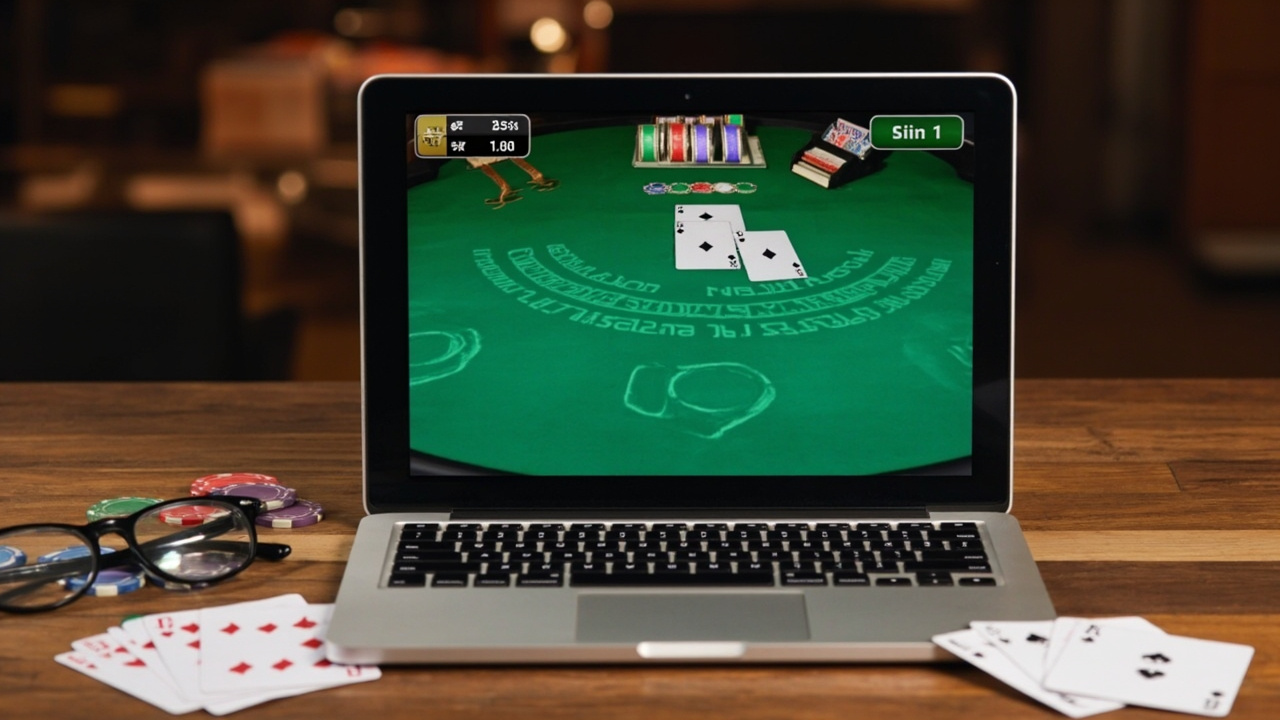
The cameras cover more than the felt. One angle tracks the cards, another watches the wheel or dice, and a third keeps the dealer in frame for the chat. That multi-cam setup is why a misdeal or a disputed call is usually caught on the same feed that you watch. The dealer follows house procedure, but the recording and the data log give the table a paper trail for any edge-case round.
What your screen is actually doing
Your interface does three jobs at once. It displays the video, accepts your wager before the timer expires, and updates your balance after the round settles. The bet button is only active during the posting window, which is why late clicks do nothing even if the video still looks live. The result is sent through the data channel, so the payout appears after the dealer calls it, not before.
A short list of what the screen handles in a normal round:
- Video feed for atmosphere and dealer visibility
- Bet controls that open and close on a timer
- Result and payout updates from the data channel
- Chat and tipping tools that stay separate from the wager
The table below shows how a typical live blackjack table fits together on a standard session, using consistent figures for one house setup.
| Item | Typical setup |
|---|---|
| Game | Live blackjack, 7-seat table |
| Dealer | One trained croupier, English or mixed chat |
| Betting window | About 15-20 seconds per round |
| Min/max stake | $1 / $500 per hand |
| Currency | AUD, shown with local formatting |
| Round length | Roughly 40-60 seconds per deal |
| Chat | Text only, moderated, not tied to bets |
Where Bonuses Meet the Live Table
Welcome offers and recurring promos look simple until you read how they treat live dealer action. The structure usually starts with a match on your first deposit, then a wagering requirement that must be cleared before any withdrawal. What changes on the live side is contribution: some houses count table bets fully, others cap the percentage or exclude certain side bets altogether.
Eligibility is the first filter. Age and location checks come before the bonus is credited, and the terms usually spell out which tables qualify. Contribution is the next filter, because a 100% match on live blackjack can still be paired with a 20% contribution rate, meaning every dollar wagered only counts as twenty cents toward the playthrough. Limits matter too: a max bet rule during bonus play can catch players who switch from slots to a $500 live table without checking the terms first.
Recurring promos tend to be smaller but steadier. Weekly cashback, reload matches, or loyalty points that convert to table credit can keep a session going without the pressure of a big first-deposit target. The catch is the same: the fine print defines whether your live bets count in full, in part, or not at all, and that definition is what determines whether a promo is usable or just decorative.
Evie Wilson, Strategy Director, Red Centre Analytics, has pointed out that the live contribution rate is where players get surprised, because the headline match looks generous until the table contribution narrows the effective value. That is the detail worth checking before you treat a bonus as free play rather than a timed condition.
For a first deposit example, a house might offer a 100% match up to $200, with a 30x wagering requirement on the bonus and 100% contribution on main blackjack bets, but only 10% on pair or perfect-pair side wagers. The same house could run a weekly reload of 25% up to $100 with a lower 20x requirement, and a loyalty tier that adds table credit after a set number of paid hands. The exact numbers shift by house, but the pattern – match, wagering, contribution, limits, recurring top-ups – stays consistent enough to compare. lucky elf casino login
What This Means for Your Session
If you are playing from Melbourne on a weeknight, the practical question is not whether the dealer is real; it is whether the table, the stream, and the bonus terms line up with how you actually want to play. A stable connection matters because the data channel settles your bet, not the video alone. A bonus matters because contribution and limits decide whether the offer helps your session or just adds a condition you have to clear first.
The format works best when you treat it like a timed table, not a video game. You pick a stake that fits the min/max range, you watch the betting window instead of the flashy overlay, and you check the contribution rate before you assume a promo is usable on live hands. That approach keeps the experience readable, because the dealer follows a set routine and the platform settles results through a separate channel you can trust enough to play against.
One common misconception is that a live dealer table is slower and less fair because a human is involved. The reality is more nuanced: the human follows a scripted dealing sequence, but the same table also runs a data log and a recording that can resolve disputes, so the human element adds atmosphere without removing the settlement trail. The pace is fixed by the betting window and the shoe or wheel, not by the dealer’s mood, which is why a well-run live table can feel more transparent than a random-number game that gives you nothing to watch.
A practical session usually comes down to three choices: table limits that suit your stake, a stream you can hold steady on your device, and a bonus you understand well enough to use without chasing terms you did not read. Get those three aligned and the live dealer format is just a table with a camera and a clock, which is enough for a quiet session without pretending it solves anything else.
For players who also want a separate login path into a paired platform, the lucky elf casino login sits alongside this live dealer setup as a distinct entry point, which keeps the live table and the slot side on their own accounts rather than forcing one wallet to do both jobs.
